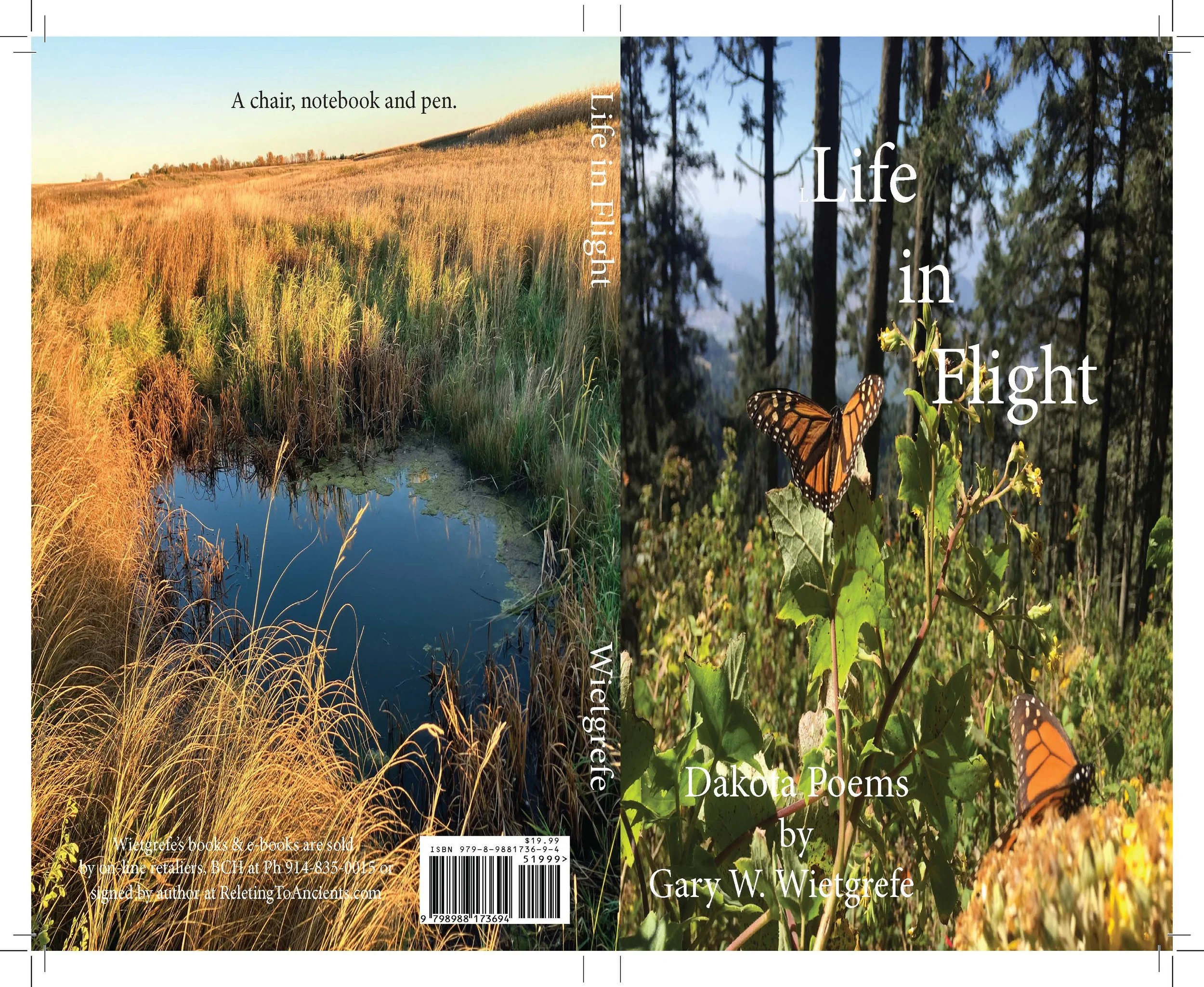
Gary W. Wietgrefe compiled some of his simple, thought-provoking poems that absorbed nature and life without electricity. Real nature.
As homesteading days ended, children developed in a cozy hillside shelter, or soddy, viewing rolling grasslands looking for opportunity their parents envisioned. Summer developed anticipation for one-room school doors and books to open. Friendships built for life after graduation from 4th, 6th, or if they were lucky, 8th grade when real life began. Children wrote rhythmic poems, thought romantically, smiled, grew, observed, did things differently, and dreamed how to make their life and their children’s lives better. A electricity reached cities, then towns, and then the countryside, common labor (often children’s labor and thoughts) transitioned to motors, its circuits, and distractions. Can electricity do too much by blocking visions of life without it. Look ahead. Observe. While electricity does our work, and becomes our memory tool, can it behold and appreciate beauty in scenes and words?